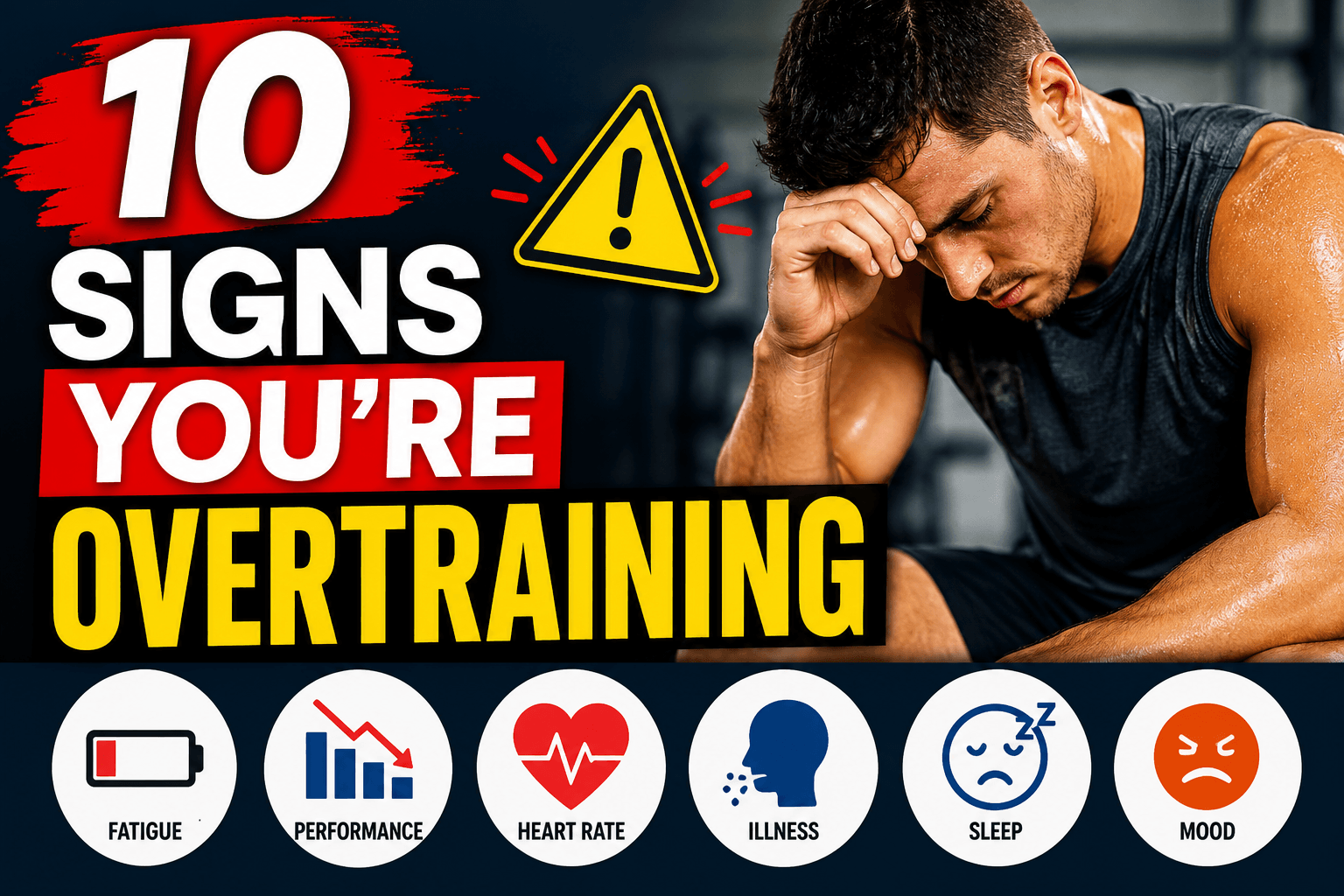
Training hard is often viewed as the key to achieving fitness goals. While dedication and consistency are important, pushing your body beyond its ability to recover can lead to serious problems. Understanding the 10 Signs You’re Overtraining can help you avoid setbacks, improve performance, and maintain your long-term health.
Overtraining syndrome occurs when exercise intensity and volume exceed the body’s recovery capacity. Instead of becoming stronger, faster, or fitter, you may experience declining performance and physical or mental exhaustion. Recognizing the warning signs early is essential for preventing long-term damage.
Understanding Overtraining Syndrome
Overtraining syndrome (OTS) is a condition caused by excessive exercise combined with inadequate recovery. It affects athletes, fitness enthusiasts, and even beginners who increase training loads too quickly.
When recovery is insufficient, the body’s hormonal, neurological, and immune systems become stressed. This can result in decreased performance, chronic fatigue, and a variety of health issues.
Why Overtraining Happens
Several factors contribute to overtraining:
- Exercising too frequently
- Increasing intensity too quickly
- Lack of rest days
- Poor nutrition
- Inadequate sleep
- High levels of life stress
- Insufficient hydration
Many people believe that more training automatically leads to better results. In reality, progress occurs during recovery, not during the workout itself.
The Difference Between Fatigue and Overtraining
Feeling tired after a challenging workout is normal. Temporary fatigue usually resolves within a day or two with proper rest.
Overtraining is different. Symptoms persist for weeks or months and often worsen if training continues. The key difference lies in recovery. Normal fatigue improves with rest, while overtraining symptoms often remain despite short recovery periods.
Sign #1: Persistent Fatigue
One of the most common indicators of overtraining is constant exhaustion.
You may wake up feeling tired despite getting a full night’s sleep. Everyday activities can feel more difficult than usual, and your energy levels may remain low throughout the day.
Persistent fatigue suggests that your body is struggling to repair and restore itself between workouts.
Sign #2: Declining Performance
A drop in performance is often one of the earliest warning signs.
You may notice:
- Slower running times
- Reduced strength
- Lower endurance
- Difficulty completing normal workouts
Instead of improving despite hard work, your results begin moving in the opposite direction. This is a clear signal that recovery needs attention.
Sign #3: Elevated Resting Heart Rate
Monitoring your resting heart rate can provide valuable insight into recovery status.
If your morning heart rate is consistently higher than normal, it may indicate excessive physical stress.
Athletes frequently track this metric because it can reveal recovery problems before more obvious symptoms appear.
Sign #4: Constant Muscle Soreness
Some muscle soreness after exercise is expected. However, soreness that lasts several days or never fully disappears may indicate overtraining.
Chronic soreness often occurs because muscle tissue is not receiving enough recovery time to repair properly.
If your muscles always feel heavy, stiff, or painful, consider reducing training volume temporarily.
Sign #5: Frequent Illness
The immune system often suffers when the body is under excessive physical stress.
People experiencing overtraining may notice:
- Frequent colds
- Recurring infections
- Longer recovery from illness
- Increased susceptibility to viruses
A weakened immune response is a major sign that the body needs additional recovery resources.
Sign #6: Sleep Disturbances
It may seem surprising, but overtraining can negatively affect sleep quality.
Common sleep-related symptoms include:
- Difficulty falling asleep
- Waking up frequently
- Restless sleep
- Feeling unrefreshed upon waking
Sleep is the body’s primary recovery tool. When overtraining disrupts sleep, recovery becomes even more difficult.
Sign #7: Mood Changes and Irritability
Physical stress often affects mental health.
Overtrained individuals may experience:
- Increased irritability
- Anxiety
- Depression
- Emotional instability
- Difficulty concentrating
Hormonal changes associated with excessive training can significantly impact mood and emotional well-being.
Sign #8: Loss of Motivation
A sudden lack of enthusiasm for training is another warning sign.
Most athletes and fitness enthusiasts enjoy their workouts. When overtraining develops, exercise may begin to feel like a burden rather than a source of satisfaction.
If you find yourself constantly dreading workouts, your body may be asking for recovery.
Sign #9: Increased Risk of Injuries
Overtraining places additional stress on muscles, tendons, ligaments, and joints.
This often leads to:
- Stress fractures
- Tendinitis
- Muscle strains
- Joint pain
- Repetitive-use injuries
When recovery is inadequate, tissues become less resilient and more vulnerable to damage.
Sign #10: Appetite Changes
Changes in appetite can signal that the body is under excessive stress.
Some individuals experience:
- Reduced appetite
- Increased cravings
- Unusual hunger patterns
- Weight fluctuations
These changes may result from hormonal imbalances caused by prolonged physical overload.
How to Recover From Overtraining
If you recognize several of these symptoms, recovery should become the priority.
1. Reduce Training Volume
Temporarily decrease workout intensity and frequency. Allow your body time to heal.
2. Prioritize Sleep
Aim for 7–9 hours of quality sleep each night. Sleep is essential for tissue repair and hormonal balance.
3. Improve Nutrition
Focus on:
- Lean proteins
- Complex carbohydrates
- Healthy fats
- Fruits and vegetables
Proper nutrition provides the resources needed for recovery.
4. Stay Hydrated
Dehydration can worsen fatigue and impair recovery processes.
5. Manage Stress
Mental stress contributes significantly to recovery challenges. Consider:
- Meditation
- Deep breathing
- Yoga
- Walking outdoors
6. Seek Professional Guidance
Persistent symptoms may require evaluation by a healthcare professional, sports physician, or certified coach.
Prevention Strategies for Long-Term Success
Preventing overtraining is far easier than recovering from it.
Schedule Recovery Days
Include at least one or two rest days each week.
Use Periodization
Alternate periods of intense training with lighter training phases.
Track Performance Metrics
Monitor:
- Resting heart rate
- Sleep quality
- Energy levels
- Workout performance
Listen to Your Body
Pain, fatigue, and loss of motivation are important signals, not weaknesses.
Balance Training and Lifestyle
Fitness should support overall health, not compromise it.
For additional evidence-based exercise recommendations, visit the American College of Sports Medicine (ACSM) website at: https://www.acsm.org
Frequently Asked Questions
1. What is the first sign of overtraining?
Persistent fatigue and declining performance are often the earliest indicators.
2. How long does it take to recover from overtraining?
Recovery can range from a few weeks to several months depending on severity.
3. Can beginners experience overtraining?
Yes. Beginners are particularly vulnerable if they increase exercise intensity too rapidly.
4. Is muscle soreness always a sign of overtraining?
No. Temporary soreness is normal. Chronic soreness that does not improve may indicate overtraining.
5. Can overtraining affect mental health?
Yes. It can contribute to anxiety, irritability, depression, and reduced motivation.
6. Should I stop exercising completely if I’m overtrained?
Not always. Mild cases may improve with reduced training and active recovery. Severe cases may require a longer break and professional guidance.
Conclusion
Recognizing the 10 Signs You’re Overtraining is essential for maintaining both performance and overall health. Persistent fatigue, declining results, sleep issues, mood changes, and frequent illness are all important warning signals that should never be ignored.
The body becomes stronger through a balance of training and recovery. By listening to these signals, prioritizing rest, and following smart recovery strategies, you can avoid overtraining syndrome and continue progressing safely toward your fitness goals.